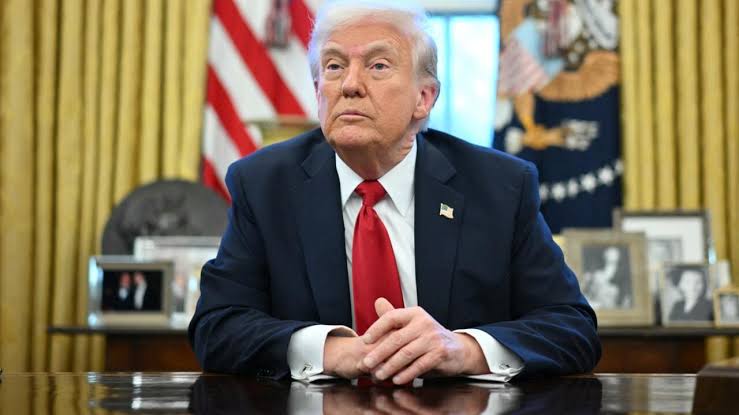
August 7, 2025, New Delhi: U.S. President Donald Trump has announced an additional 25 percent import tariff on goods from India, raising the total tariff on many items up to 50 percent. This move, effective from August 27, is a response to India’s continued purchase of Russian oil despite ongoing sanctions and the Ukraine war.
Why India Was Targeted?
Trump’s executive order frames the tariff hike as a foreign policy measure, accusing India of indirectly funding Russia’s war machine by importing cheap oil. While many other countries continue to trade with Russia, Trump has made India a direct example, denying any exemptions.
What Sectors Will Be Hit?
The new tariff will impact a broad range of Indian exports, especially:
- Textiles and garments
- Footwear and leather goods
- Jewelry and gems
- Pharmaceutical and chemical products
- Consumer electronics and auto parts
Over 55 percent of India’s total exports to the U.S. fall under these categories, making the impact sharp and wide-ranging.
Economic Impact on India
- Export Slowdown
The additional duty will make Indian products more expensive and less competitive in the U.S. market. Exporters may face order cancellations, especially in low-margin sectors like apparel and footwear. - Job Losses in Export Sectors
Industries such as textiles, leather, and gems employ millions of workers. A drop in exports could result in job cuts, especially among small and medium-sized businesses. - GDP Growth May Suffer
India’s economy was projected to grow above 6 percent, but a major hit to exports could bring it down by 0.3 to 0.5 percent, according to trade experts. - Weakened Rupee
With falling exports and foreign investment jitters, the Indian rupee may weaken against the U.S. dollar — making imports like oil, tech, and medical equipment more expensive. - Trade Uncertainty
This unexpected move adds to the uncertainty Indian businesses face in global trade. Long-term contracts, pricing models, and supply chain planning will all be affected.
What Can India Do?
- Diplomatic Talks: India may try to resolve the issue through high-level negotiations with U.S. officials.
- Market Diversification: Boosting exports to the EU, Middle East, and Southeast Asia can reduce overdependence on the U.S.
- Strengthening Domestic Industry: Incentives to local exporters under Make in India and PLI schemes may soften the blow.
Trump’s sudden tariff hike is more than a trade issue. it’s a political message. But for India, the economic consequences are real and immediate. As the world’s fourth-largest economy, India must now balance economic strategy with diplomatic sensitivity to avoid further setbacks and maintain its global growth momentum.






















 WhatsApp us